YMYL (Your Money or Your Life) websites covering health, finance, and legal topics face the strictest quality evaluation in Google’s ranking systems. When a core update hits, these sites lose rankings faster and recover slower because Google demands verifiable author credentials, medically or legally accurate content, transparent editorial oversight, and clear sourcing.
Recovery requires closing E-E-A-T gaps, adding professional credentialing to every content page, and rebuilding trust signals that satisfy both Google’s algorithms and human quality raters. As a Google SEO algorithm recovery expert, Kawsar Ahmmed has recovered YMYL sites across healthcare, financial services, and legal publishing verticals.
Why Google Holds YMYL Sites to a Higher Standard?
Google treats YMYL content differently because it can directly impact a person’s health, financial stability, or legal rights. If a medical article gives wrong dosage information or a finance page offers misleading investment advice, real people get hurt.
This is not theoretical. Google’s Search Quality Rater Guidelines explicitly instruct human evaluators to apply the highest scrutiny to pages that could affect someone’s wellbeing, safety, or financial security.
Here is what that means in practice for ranking evaluations:
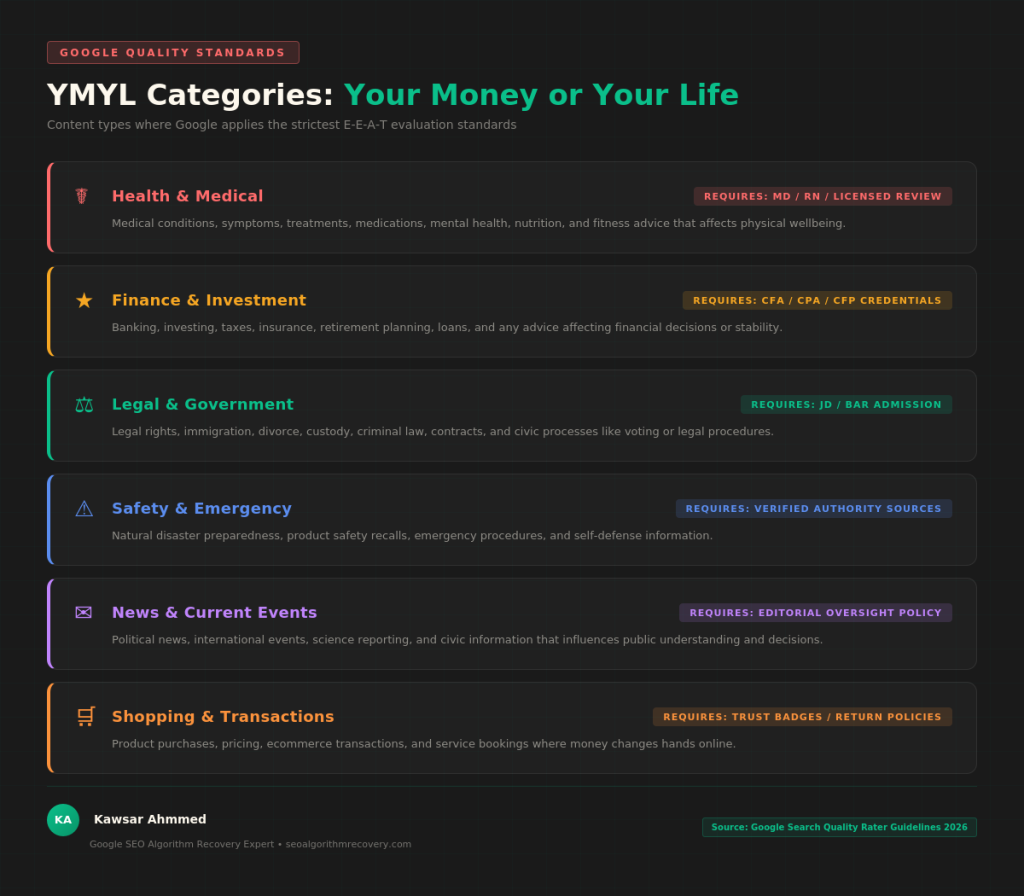
- Health content. Google expects medical claims to be reviewed or written by licensed professionals. Pages without author credentials, source citations, or medical disclaimers are treated as untrustworthy.
- Finance content. Investment advice, tax guidance, and insurance information require verifiable expertise. Anonymous finance blogs without regulatory disclosures get suppressed after core updates.
- Legal content. Legal guides need attribution to practicing attorneys or qualified legal professionals. Generic legal content without jurisdictional disclaimers signals low trust.
The March 2026 core update has been especially aggressive with YMYL sites. I am seeing health and finance verticals experience 40-70% traffic drops in cases where E-E-A-T signals were weak or missing entirely. If you are wondering whether your content falls under YMYL classification, Google’s own Search Quality Rater Guidelines provide the evaluation framework that quality raters use to score your pages.
The E-E-A-T Gap: Why Most YMYL Sites Fail After Core Updates?
I have audited dozens of YMYL sites after algorithm hits, and the same problems appear on nearly every one. The gap between what Google expects and what these sites actually provide is usually enormous.
Here are the most common E-E-A-T failures I find during YMYL recovery audits:
- No author pages or credentials. Articles are published under ‘Admin’ or a site name with no individual author attribution. Google cannot verify expertise when there is no identifiable expert behind the content.
- Unverified medical or financial claims. Statements like ‘this supplement cures inflammation’ or ‘this stock will double in value’ without citations, studies, or professional review.
- Missing editorial oversight signals. No editorial policy page, no content review process described, no medical review board or financial advisory disclosures.
- Thin About Us pages. A generic paragraph instead of detailed information about the organization, its mission, team qualifications, and industry credentials.
- No source citations. Health and finance content making factual claims without linking to peer-reviewed studies, government databases, or authoritative industry sources.
The pattern is clear: YMYL sites get penalized not because their content is wrong, but because Google cannot verify that it is right. Your job in recovery is to make that verification as easy as possible for both algorithms and human reviewers.
These E-E-A-T gaps overlap heavily with the issues I cover in my Helpful Content Update recovery guide, but YMYL sites need to go further because the trust bar is set higher in these verticals.
Health Site Recovery: Medical Content That Google Trusts
Health websites are the most scrutinized YMYL category. Google’s systems specifically look for signals that medical content has been created or reviewed by qualified healthcare professionals.
Here is the recovery framework I use with health site clients, including the approach I applied when auditing multilingual YMYL health sites in my practice:
Author Credentialing
Every health article needs a named author with verifiable medical credentials. Create detailed author pages that include the professional’s license type, institution, specialization, and years of practice. Link these author pages to external verification sources like hospital profiles, LinkedIn, or medical board registries.
If your content was not written by a medical professional, add a ‘Medically Reviewed By’ attribution with a licensed reviewer’s name and credentials. This single change has produced measurable ranking improvements in recovery cases I have managed.
Source Citations and Evidence
Link health claims to primary sources. Use PubMed, WHO, CDC, or NIH references for medical statements. Avoid citing other blog posts as sources for health information. Google’s systems can evaluate citation quality, and linking to authoritative medical databases signals credibility.
For health sites specifically, the Google Health Content Guidelines outline what the search team considers trustworthy medical information.
Editorial and Compliance Signals
Publish a visible editorial policy that describes your content review process. Include who reviews medical content, what qualifications they hold, and how frequently content is updated. Add last-reviewed dates to every health article.
If your site covers topics regulated by health authorities, include appropriate medical disclaimers. Make these visible, not buried in footer text.
Finance and Legal Site Recovery: Compliance-First Trust Building
Finance and legal sites face similar E-E-A-T requirements, but with additional compliance layers that health sites do not need.
Finance Site Recovery
Financial content needs attribution to qualified professionals: CFAs, CPAs, licensed financial advisors, or professionals with verifiable industry credentials. Anonymous finance content is the first thing I flag during audits.
Add regulatory disclosures where applicable. If your site discusses investments, include appropriate risk disclaimers. If you recommend financial products, disclose affiliate relationships clearly. Transparency is a direct trust signal.
For finance sites recovering from spam-related penalties, the underlying link and content quality issues often compound with E-E-A-T gaps. My SpamBrain penalty detection guide explains how Google’s automated spam system evaluates trust signals alongside content quality.
Legal Site Recovery
Legal content requires attorney attribution with bar admission details, practice area, and jurisdiction. Generic legal advice pages without qualified authorship are treated as low-trust content after core updates.
Add jurisdictional disclaimers that clarify which laws and regulations your content covers. Legal information varies dramatically by state and country, and Google’s quality raters are trained to flag legal content that does not specify its applicability.
YMYL Recovery: Vertical-Specific Requirements at a Glance
| Requirement | Health | Finance | Legal | Priority | Measurement |
| Author credentials | MD, RN, PharmD | CFA, CPA, CFP | JD, Bar admission | Critical | Author pages indexed in GSC |
| Source citations | PubMed, WHO, NIH | SEC, Fed Reserve, FINRA | Case law, statutes | Critical | Outbound link quality score |
| Editorial policy | Medical review board | Financial editorial board | Legal review process | High | Policy page indexed and linked |
| Disclaimers | Medical disclaimer | Investment risk disclosure | Jurisdictional disclaimer | High | Disclaimer visibility audit |
| Content freshness | Last reviewed dates | Market data currency | Statute update dates | Medium | Content age in Screaming Frog |
| Regulatory compliance | HIPAA awareness | SEC/FINRA guidelines | Bar association rules | Medium | Compliance page presence |
Real YMYL Recovery: What the Process Looks Like?
To illustrate how this works in practice, here is a condensed view of the recovery process I applied to a multilingual YMYL health site that lost significant visibility after a core update.
The site published health and nutrition content in multiple languages but had critical E-E-A-T gaps: no author pages, no medical review attribution, thin About Us content, and health claims without source citations. Technical issues compounded the problem, including hreflang implementation errors, duplicate content across language versions, and missing structured data.
The recovery followed this sequence:
- Week 1 to 2: Complete technical and content audit. Identified 200+ pages with unattributed health claims. Mapped every E-E-A-T gap across all language versions.
- Week 2 to 4: Created author pages with medical credentials for every content contributor. Added medical review attribution to top 50 health articles. Published editorial policy and medical disclaimer pages.
- Week 4 to 6: Added source citations to all health claims, linking to PubMed, WHO, and national health authority databases. Fixed hreflang errors and consolidated duplicate content across languages.
- Week 6 to 8: Implemented Person and Medical WebPage schema markup. Submitted updated sitemaps and monitored re-crawling in Search Console.
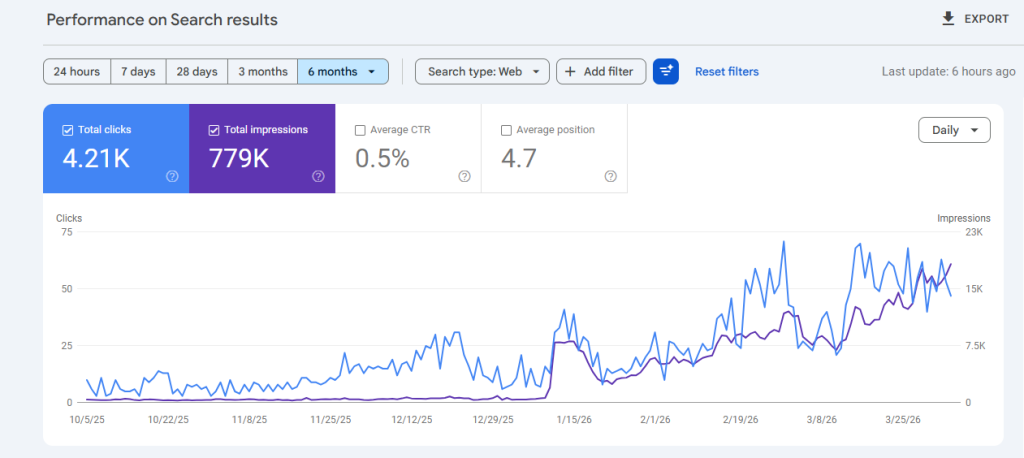
Impressions began recovering within the first update cycle. Full recovery took approximately 60 days.
If you are running a structured recovery like this, my post-update SEO audit checklist provides the diagnostic framework I use to identify every gap before starting remediation. And for sites where the traffic loss might be caused by AI Overviews rather than an algorithm penalty, my AI Overviews traffic recovery guide helps separate those two very different problems.
Common YMYL Recovery Mistakes to Avoid
YMYL recovery has a smaller margin for error than other verticals. These are the mistakes I see site owners make most often:
- Adding fake credentials. Inventing author bios with fabricated medical or financial qualifications. Google’s systems cross-reference, and quality raters verify. Fake credentials can escalate a content quality issue into a trust violation.
- Copying competitor disclaimers. Generic copy-pasted disclaimers signal low effort. Write original disclaimers that reflect your actual content scope and editorial process.
- Ignoring non-English content. Multilingual YMYL sites often fix E-E-A-T on their English pages and forget about other language versions. Google evaluates every indexed version independently.
- Over-optimizing author pages. Stuffing author bios with keywords instead of genuine credentials. Author pages should read like professional profiles, not SEO landing pages.
- Skipping the reconsideration step when needed. If your YMYL site received a manual action alongside the algorithmic hit, you need a formal reconsideration request in addition to your content fixes.
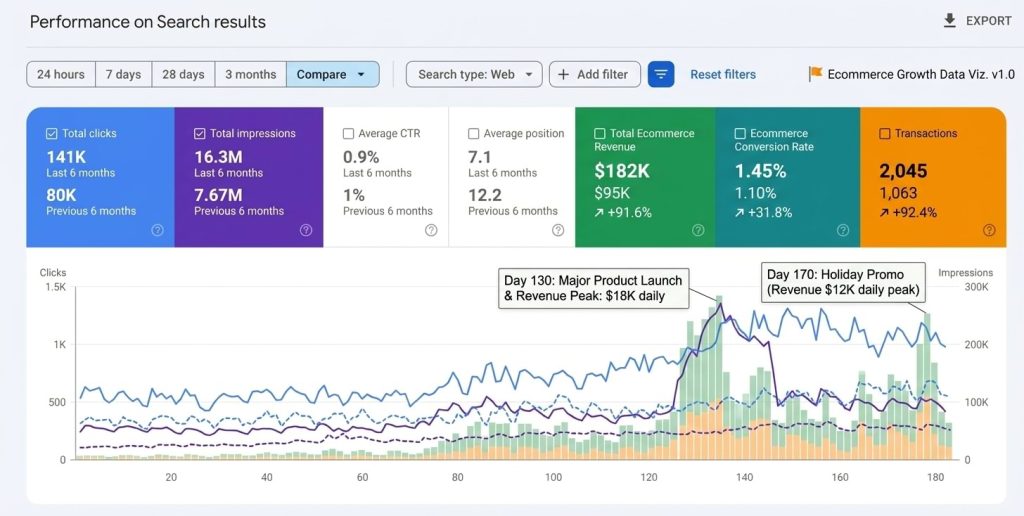
- Not addressing technical SEO. E-E-A-T fixes alone will not recover a YMYL site that also has crawl errors, broken schema, or indexation problems. Recovery requires fixing both trust and technical foundations, similar to the dual approach I outline in my e-commerce algorithm recovery guide.
Recommended External Resources
For the official framework Google uses to evaluate YMYL content quality, review the Google Search Quality Rater Guidelines, which define exactly how human evaluators assess health, finance, and legal content trustworthiness.
Health site owners should reference Google’s health content policies for specific guidance on what the search team considers responsible medical information.
For understanding how Google’s systems evaluate author expertise and credentials at scale, the Google Search Central documentation on E-E-A-T provides the most current official guidance on building demonstrable expertise.
Frequently Asked Questions
What does YMYL mean in SEO?
YMYL stands for Your Money or Your Life. It refers to content categories that can significantly impact a person’s health, financial stability, safety, or wellbeing. Google applies stricter quality standards to YMYL pages because inaccurate information in these areas can cause real harm.
Why do health and finance sites get hit harder by Google updates?
Because Google’s quality rater guidelines require the highest level of E-E-A-T (Experience, Expertise, Authoritativeness, Trustworthiness) for YMYL content. Sites that lack verifiable author credentials, source citations, and editorial oversight fail these evaluations during core updates.
How long does YMYL site recovery take?
Typically one to two Google update cycles, which translates to 30 to 90 days. YMYL recovery often takes longer than non-YMYL recovery because the trust-building changes (author credentialing, source citations, editorial policies) need to be crawled, indexed, and re-evaluated by Google’s quality systems.
Can a YMYL site recover without hiring medical or legal professionals?
You can add medical or legal review attribution by partnering with qualified professionals who review your existing content. You do not need to hire full-time staff. Many YMYL sites recover by engaging freelance medical reviewers or legal consultants to audit and approve their content.
Does my site count as YMYL if it only partially covers health or finance topics?
Google evaluates YMYL classification at the page level, not just the site level. If individual pages on your site cover health symptoms, medical treatments, financial advice, or legal guidance, those specific pages are held to YMYL standards even if the rest of your site covers unrelated topics.

Health, finance, or legal site lost rankings after a Google update?
I am Kawsar Ahmmed, a Google SEO algorithm recovery expert with 7+ years specializing in YMYL site recovery. I have restored rankings for health publishers, financial advisory sites, and legal content platforms across multiple core update cycles. If your YMYL site was hit, I can identify exactly which E-E-A-T gaps caused the drop and build a recovery plan tailored to your vertical.